

07 February 2014
Agricultural co-operatives set up with support from the United Nations are providing a better life for women in Badakhshan, a province in the northeast of Afghanistan. 
Forbidden for many years, co-operatives are allowed again in Afghanistan since 2001. Since then more than 3,000 co-operatives were re-registered. However, many one these are not familiar with co-operative values and principles and also need support for capacity building.
Badakhshan’s department of Agriculture revealed that around 1,500 women are active in the agricultural and business sectors throughout the province. There are now 18 women’s co-operatives across the province, each of these supported by international organsiations.
One such successful co-operative runs kitchen gardens and nursery projects in Badakhshan’s Shuhada district. The co-op was set up by a group of 46 women with help from the United Nation’s Food and Agriculture Organization (FAO). Through the FAO’s Women’s Development Centre (WDC) they received training on how to manage their co-operative.
Over 750 women from the region have so far taken part in FAO-sponsored projects. One of them is Ms Shaima, who said that by being member of the co-operative she was able to better cope with various challenges.
Read the full story from the International Co-operative Alliance.
Latest news

Co-ops and Mutuals poised to build a more resilient economy for Tasmanians
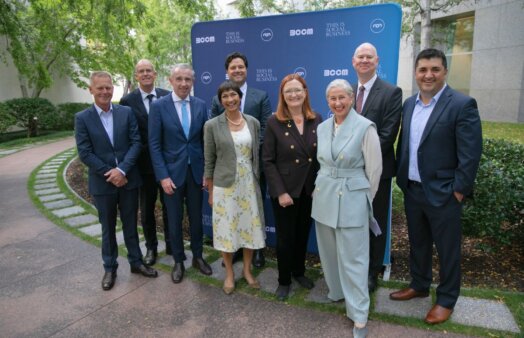
Parliamentary Friends reception showcases the national importance of producer co‑operatives