
26 May 2015
In a blog posting, Ed Mayo, the Secretary General of Co-operatives UK, outlines the success and growth of the co-operative sector in France and the championing of social purpose and ownership across the economy.
Noting the scale of the co-operative sector in the country (23,000 co-operative enterprises employ more than a million people), Mr Mayo points to the passing of the Social and Solidarity Economy Act, in July last year as a positive legislative development for the sector.
The Act, Mr Mayo claims, represents a careful update of the previous co-operative legislation dating back to 1947, bringing the definition of a co-op into line with the Statement of Identity of the International Co-operative Alliance along with new flexibilities in co-operative form. A new model, a residents coop, is introduced for people who want to buy where they live, to co-manage it and live together. The buyout of companies to worker co-ops is made a good deal easier – and demutualisation harder.
The Act should makes it easier to move between different organisational forms and so, with Spain and Quebec also passing new legislation on the social economy, it could be that France has, again, started a revolution that could spread worldwide according to Mr Mayo.
Latest news
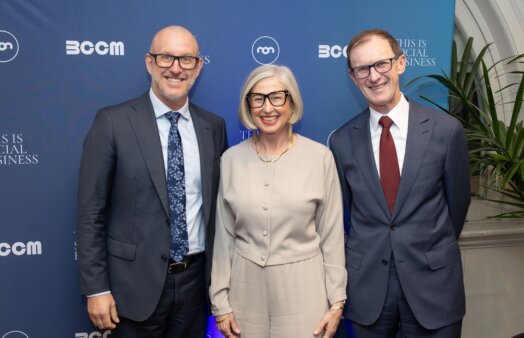
BCCM-EML Resilience dinner reflects on leadership and resilience across the co‑operative sector

CEO Strategy Roundtable focuses on economic pressures, competition and the future of mutual value